The Sacred Valley is one of the easiest places to compress too much into too little time. It looks simple on a map, but the experience improves sharply when you let the route breathe and stop treating every point as equally important.
Why the Sacred Valley should not feel like a transfer corridor
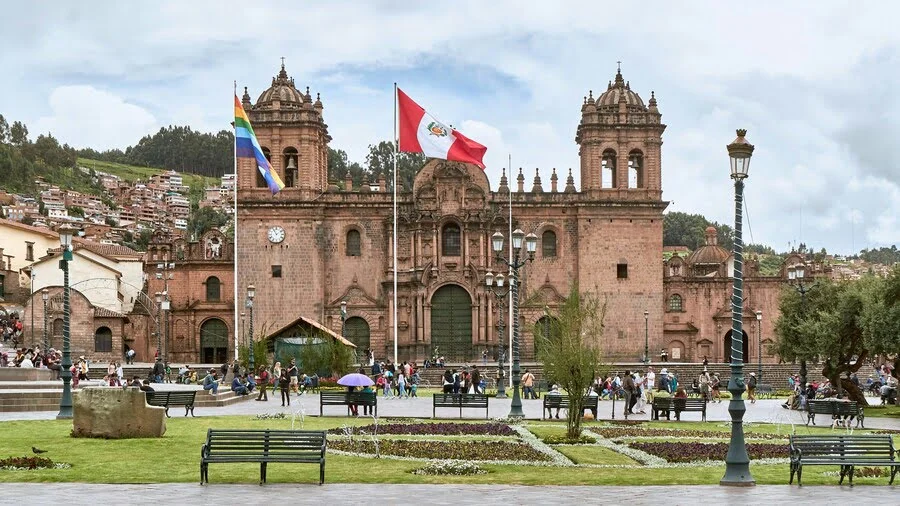
Many travelers see the Sacred Valley only as the path between Cusco and Machu Picchu. That is too narrow. The valley has a different temperature, a different visual rhythm and a calmer relationship with time. Used well, it becomes the section that softens the whole itinerary.
How to approach the day better
The most common problem is overloading the route with too many points and not enough context. A better day gives priority to flow: one market or village with time to observe, one major archaeological focus, and enough breathing room between them.
Where the value really is
Pisac
Useful for atmosphere, craft context and wider valley perspective.
Ollantaytambo
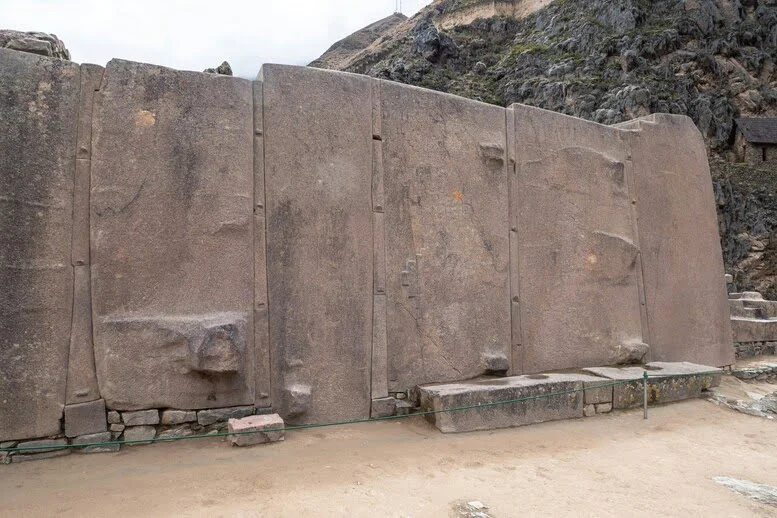
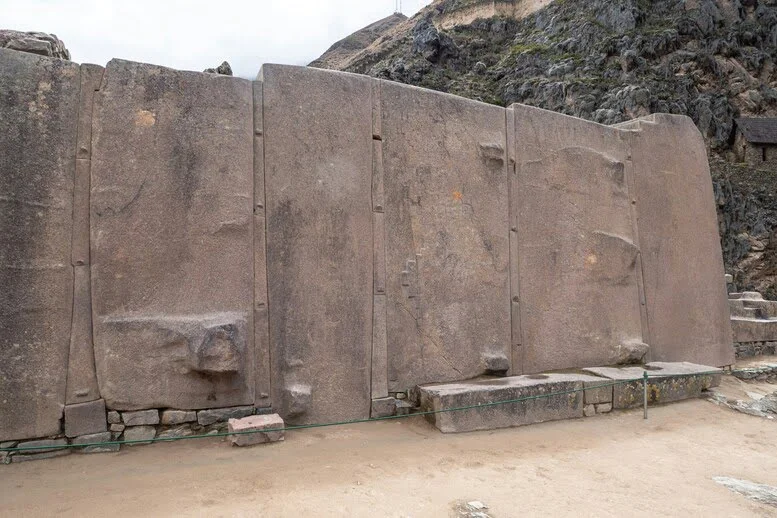
One of the best places to feel that the valley is still lived in, not just visited.
Sequence
When the valley is placed before Machu Picchu, it often helps travelers transition more naturally into the next stage of the route.
Want this route to feel easier to plan?
We can help you connect the right tours, timing and pacing without forcing a generic package.
Related tours