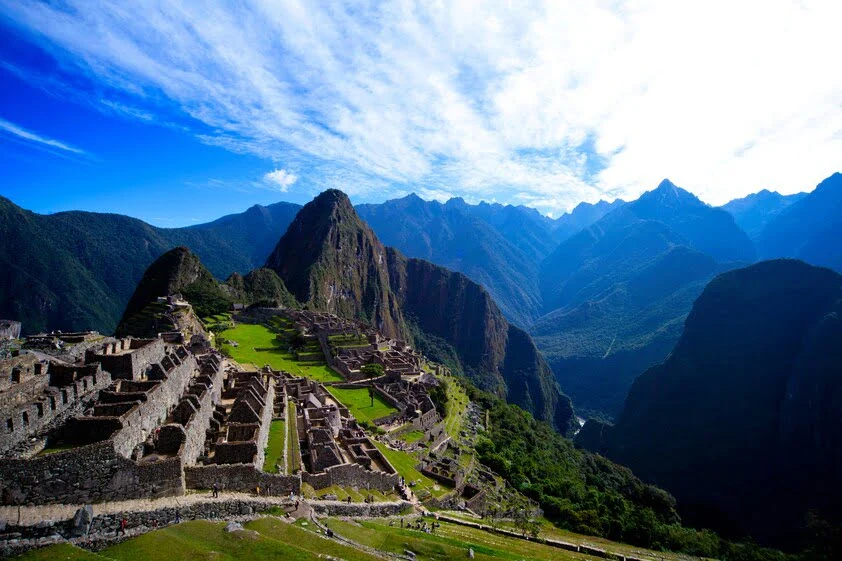
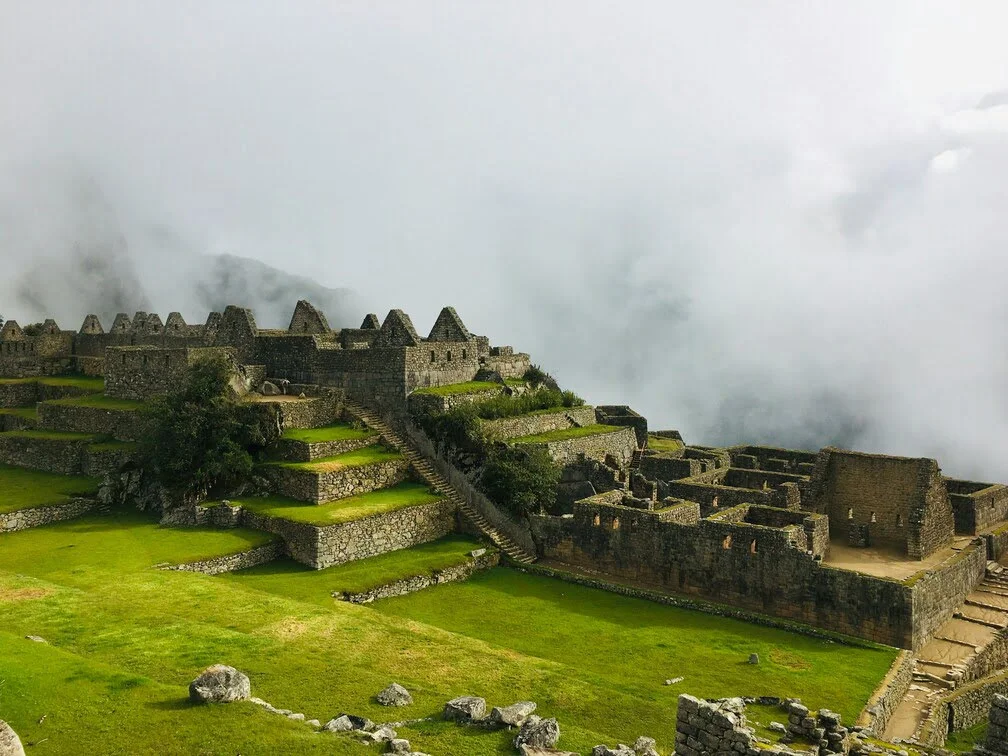
Machu Picchu is rarely disappointing. What usually goes wrong is everything around it: arriving to Cusco too fast, choosing the wrong ticket without noticing, or reducing the day to a chain of transfers. The first visit works best when the logistics are clear before you go and the route around it protects your energy.
Who this guide is for
This page is most useful if you are visiting Peru for the first time, combining Cusco and the Sacred Valley, or trying to understand whether Machu Picchu should be a full-day visit or a slower overnight sequence.
What this guide solves
It clarifies the real order of the experience: acclimatization first, ticket logic second, then train timing, bus access and the circuit you actually want before you lock the rest of the trip.
How the experience actually works
For most visitors, Machu Picchu is not reached directly from the citadel itself but through a sequence. The usual route starts from Cusco or the Sacred Valley, continues by train to Aguas Calientes, and then finishes with the bus ride from town up to the sanctuary entrance. That sequence is normal, but it means your day depends on more than the visit alone.
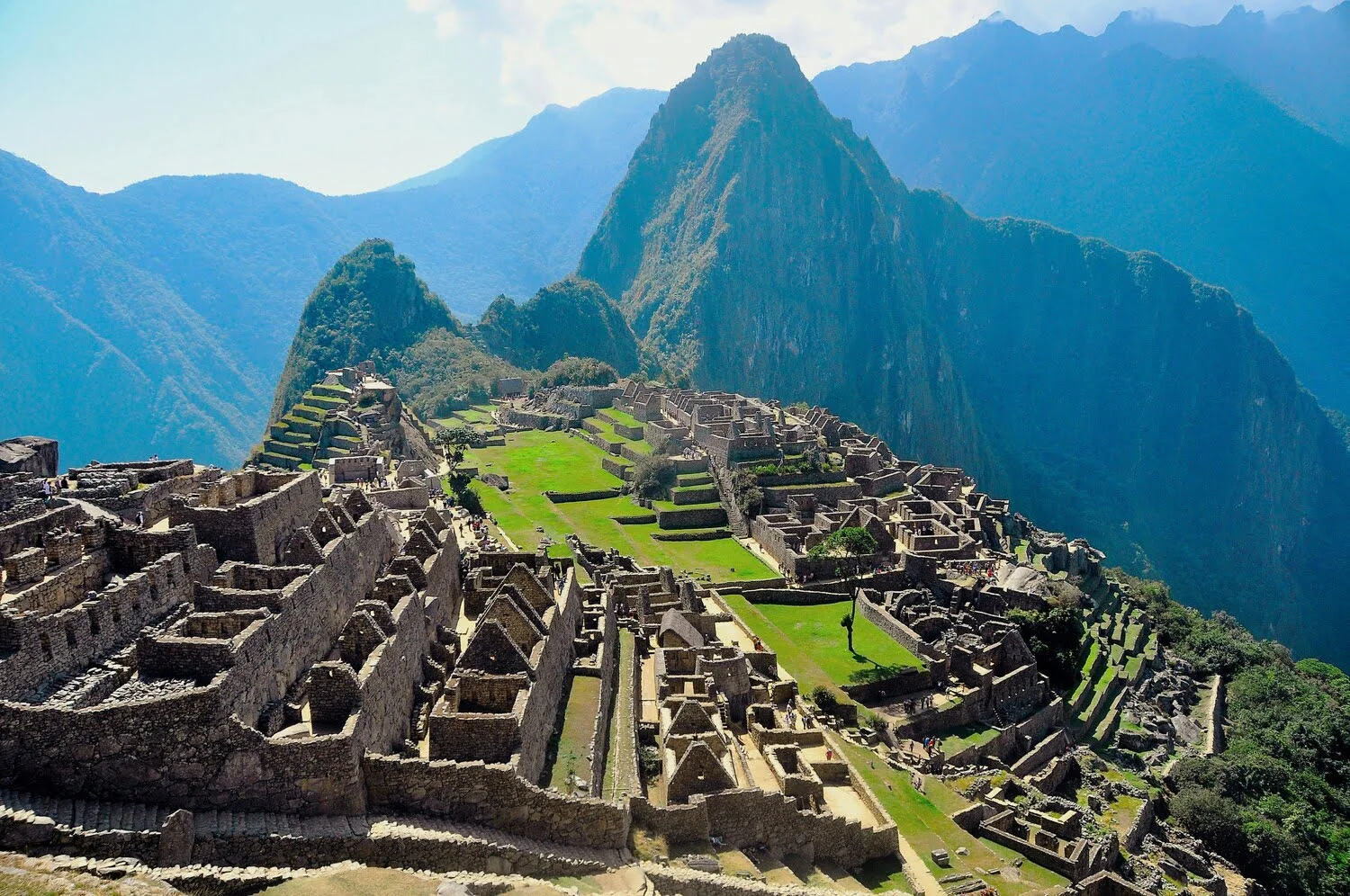
If you understand that structure early, planning gets easier. You stop treating Machu Picchu as a stand-alone attraction and start placing it inside a route that respects transfers, rest and altitude.
Altitude matters more in Cusco than in Machu Picchu
Machu Picchu itself sits lower than Cusco. That is important because many first-time visitors feel the hardest altitude impact in Cusco, not at the citadel. If you land and immediately stack hard days, the trip can feel heavier than it needs to.
Cusco first
Give yourself time to adapt before your longest transfer day. That usually means arriving, resting, hydrating and avoiding an overloaded first 24 hours.
Then Machu Picchu
Once the altitude transition is no longer the main stressor, the visit becomes what it should be: a highlight, not a recovery exercise.
Tickets and circuits are the part most travelers get wrong
Entry is no longer something you improvise casually. Tickets are sold through the official government platform, entry is timed, and the current visit model uses three main circuits grouped into ten routes. That means the ticket shape influences the experience, including whether you are prioritizing the classic panoramic perspective, the main citadel logic, or an add-on route such as Machupicchu Mountain or Intipunku in high season.
What to decide first
- What date you want
- What entry time fits your train plan
- What kind of route you actually want inside the sanctuary
Safe first-time choice
For many first-time visitors, the classic Machu Picchu circuit logic is the safest starting point because it aligns better with the iconic first impression people usually expect.
The mistake is assuming every ticket gives the same experience. It does not. Buy only after you know which route logic fits your day.
Best time to go: think weather first, crowds second
The drier season in the Cusco region generally runs from May to November, which is why these months are usually the easiest for cleaner views and more stable conditions. The rainy season does not make Machu Picchu impossible, but it changes the experience and the margin for error, especially if the rest of your itinerary is already tight.
If you value clarity
Prioritize the drier months and build enough room around the day so weather or transport pressure does not define the memory.
If you value balance
Focus less on chasing a perfect date and more on having the right ticket, enough acclimatization and a realistic sequence around the visit.
Common first-time mistakes
- Booking the trip order before the Machu Picchu ticket. The sanctuary entry should anchor the sequence, not the other way around.
- Treating Cusco arrival day like a normal sightseeing day. The altitude in Cusco is the real adjustment point.
- Assuming every entrance ticket includes the same path. It does not. Circuits and routes matter.
- Underestimating transfers. Train timing, the Aguas Calientes connection and the bus ascent all affect how the day feels.
A route logic that works well for first-timers
For many premium trips, the cleanest sequence is simple: arrive in Cusco, acclimatize, use the Sacred Valley strategically if it improves the flow, then place Machu Picchu when your body and schedule are no longer fighting the region. That approach is not about doing less. It is about making the highlight land at the right moment.
Want the route built around your pace, not around generic packages?
We can help you connect Cusco, Sacred Valley and Machu Picchu in the right order so the trip feels calm, clear and premium from the start.
Related tours